
Dealing With Setbacks: Survival Tips for When Life Doesn’t Go According to Plan
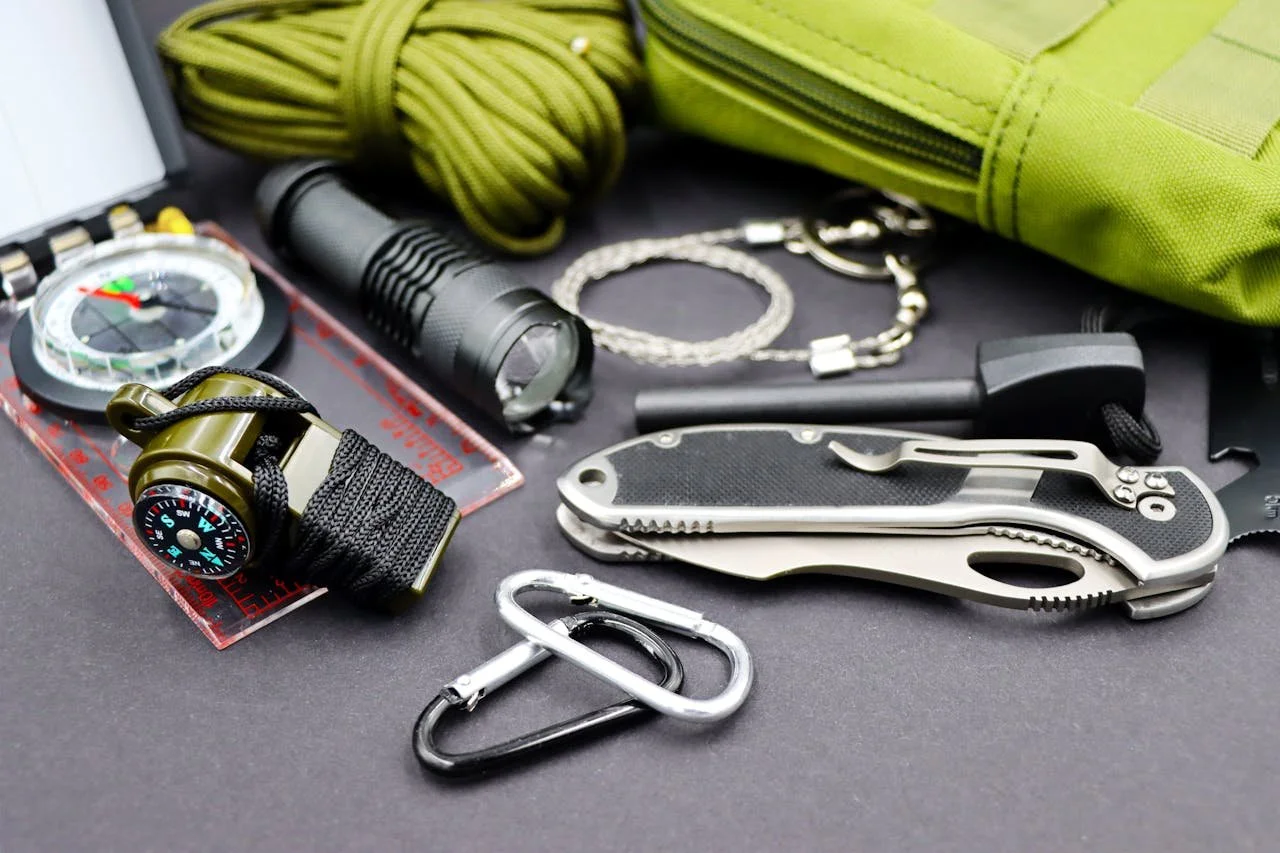
“Have a plan, but don’t be in love with the plan.”
That line is one that stuck with me ever since I read Gonzales’ book Deep Survival: Who Lives, Who Dies, and Why in 2010, and it’s one I cite often with my clients.
My wife and I were dealing with a major life setback at the time. She had lost her sight a couple of years before and was still recovering her health from the medical issues that had caused her to go blind — as well as the medical procedures she had undergone to try and save both her sight and her life on several occasions.
While our situation didn’t involve being stranded in the wilderness, it was very much a fight for survival. She was fighting to stay alive. I was fighting to keep her alive. And we were both struggling to adapt to our new reality. Our life plan had been massively disrupted.
That’s why Gonzales’ book hit so hard at the time.
Have a Plan, But Don’t Be in Love With the Plan
In his book, Lawrence Gonzales reviewed numerous reports of survival situations to look for common factors that suggested why some people perished while others survived. In some cases, the research was not what you would expect — experienced individuals died while others who were not prepared miraculously survived.
One common factor was the person’s mental flexibility.
In some of the reports, Gonzales concluded that the person had a survival plan but stuck to it even when it was clear it was not going to work. Rather than changing their tactics, they kept doing the same thing and eventually died.
They were so in love with the plan that they couldn’t let it go, and it cost them dearly.
Others who survived, however, were able to change their survival plans to adapt to their situation. For example, some survivors who tried staying in one place in hopes of being found eventually decided that wasn’t going to happen and switched to a plan to move to where they would be more likely to be found.
Surviving Setbacks
While most of us will likely never have to survive being shipwrecked on an island or spend days out in the wilderness without food or shelter, events sometimes happen that make us feel like we’re in a fight for survival. This might come in the form of job loss or the end of a long-term relationship. It might be failing a class in school — leading you to feel like your entire future is in question. It might be experiencing a setback in addiction recovery.
These may sound small compared to wilderness survival but, at the time of crisis, they can feel just as big. One slip-up on a diet can feel like a massive failure. An embarrassing moment on a date can turn into a thought spiral that sabotages the whole thing while your mind tells you a story about being forever alone.
Learning to survive setbacks can be a valuable skill, because everyone will experience them from time to time. The key to survival is not to fixate on how to avoid setbacks entirely, but how to deal with them when they happen.

Where We Go Off Course
Deep Survival revealed that people rarely died from one big mistake but, rather, a series of small missteps that piled up into bigger problems — including some common mental traps. Surviving a setback isn’t much different. A series of small events, thoughts, and feelings can add up to feeling like there isn’t much hope for the future.
Imagine you lose your job because of company downsizing. It wasn’t your fault that it happened, but your mind starts looking for reasons that feel more certain than “shit happens.” Your mind wants to know why it happened and how you can avoid it again. Your brain is already in survival mode but it’s looking for reasons in all of the wrong places.
Stuck in the Mental Quicksand
Our own thoughts are one of the first hazards to navigate when dealing with a setback. Self-criticism, blame, shame, guilt, and more can feel like were starting to sink into quicksand and will soon be buried in over our head. This can show up in different ways such as extreme thinking like saying you always mess up, you’ll never succeed, you’ll never be able to cope with the situation.
It may take the form of harsh self-criticism, calling yourself a failure, loser, weak, telling yourself “I suck,” or asking yourself “why can’t I just get my shit together?”
It might involve anxious thought spirals like predicting a future of complete gloom and doom. You tell yourself that you can’t handle the situation and that life is just going to be a big ball of suck from now on.
This can also show up as what is known as “magical thinking.” These are thoughts like:
“If only I hadn’t done what I did, things might have been different.”
“I wish I knew then what I know now. I could have avoided this.”
“Maybe a miracle will happen and I won’t have to deal with this.”
And, much like quicksand, it’s easy to get sucked down in over your head with thoughts like this.
This may also involve intrusive memories of the events that caused the setback to happen. While some of this is natural, it’s important to be aware if you ever react to these memories as if they were happening all over again since this could be a sign of post-traumatic stress or even post-traumatic stress disorder (PTSD).
Lost and Wandering in Circles
It’s also natural when setbacks occur to try to do more of what is familiar – but just do it harder! More thinking, more planning. You tell yourself you just need to be “more disciplined.” You watch 20 videos on stoicism. You tweak your resume for the tenth time even though you haven’t applied for any jobs.
You spin your wheels trying to think your way out of the situation rather than taking a step in a new direction because you’re worried about taking the “wrong” step. More thinking, researching, and planning feels safer than trying something different that feels vulnerable, risky, and uncertain.
This might seem similar to being trapped in the mental quicksand, but it’s like an active version of being stuck. Your mind is doing what it does best – trying to solve a problem. You may not feel stuck because you’re being active, but you aren’t really getting any closer to dealing with the setback.
To put it another way, your foot is on the gas and the wheels are spinning furiously but you’re going nowhere.
In some cases, this can also be a form of avoiding the realities of your situation and what needs to be done. You know what you need to do — make that call, submit that draft of your dissertation for review, reach out to someone to help with your addiction recovery.
But you don’t.
You find something else that needs to be done before you’ll really “feel ready” to take that step that scares you.
And that is completely understandable. But it’s also what keeps you stuck and lost, wandering around in the woods trying to survive.
The good news is that, once you recognize these patterns happening, the next step is figuring out how to respond to your situation.
Create Your Self-Rescue Plan
Regardless of whether or not the setback you experienced could have been prevented, the reality is that it did happen and you are now faced with the challenge of adapting to it. An important part of a survival mindset is acknowledging the reality of your situation. That doesn’t mean you have to like it, but you do have to accept it is now the situation.
You can read more about acceptance and how we often misunderstand it here.
Having acknowledged your situation, you can begin to take steps to address it and adapt.
Step 1: Survey the Terrain
Any good self-rescue plan is going to involve looking around to see where you are and assess your situation. This step is about getting grounded in reality before deciding what to do next.
Acknowledge your emotions.
There is no “right” way to feel about your situation. You may feel worried, fearful, angry, sad, or even guilty. Rather than fighting your emotions or getting dragged down by them, notice that they are there without labeling them as bad or good.
This is where mindfulness is a useful skill to have in looking at the present moment without judgement.
One handy survival skill from mindfulness is what is called “Noticing and Naming.” Instead of getting swallowed up by an emotion like anxiety and thinking “I’m so anxious! I don’t know what to do!” try taking a mental step back and look at the thought and feeling like a curious scientist. Try rephrasing your thought in a way like, “I notice I’m feeling the emotion of fear and confusion about what to do next.”
This can help start putting mental distance between you and the distressing thoughts and feelings and increase your ability to be aware and accepting of them — even when you don’t like them.
Look at your circles of concern, influence, and control.
It’s natural to feel like everything is out of control when setbacks happen. The response to this, especially for men, is to try and control everything. The only alternative seems to be giving up completely. But realistically looking at your circles of concern, influence, and control can help you focus on the things you actually can work to change and let go of the things you can’t.
Your circle of concern is anything outside of your control or influence. While you may be worried about things related to the setback such as past events, the economy, or a natural disaster, you can’t do anything about them.
Your circle of influence includes things that you can try to address your situation but still have no control over the outcome. You can to improve your employment situation by job hunting and interviewing well, but the actual outcome still depends on things outside your control. You can’t make the interviewers offer you the job, but you can increase the chances with a good interview.
Your circle of control comes down to what you do in response to your situation. This includes the actions you choose to take, how you care for yourself during the stressful time, and how you deal with your thoughts and feelings.
Keep in mind you can’t actually control your thoughts and feelings – but you can control how you act in response to them. For example, you may not be able to stop the feeling of worry about that interview, but you can choose to respond with mindfulness, breathing, and doing some prep work like laying out your interview clothes so you’re not rushed when you start to get ready.
Check your values.
Experiencing a setback can really shake up your foundations, pulling you away from who you truly are and the things that you value. This is especially true when the setback is related to goals you may have. While goals and values may seem similar, they’re actually different.
Goals are things you want to achieve, do, or have. For example, you may have the goal of achieving a six-figure salary. A value, on the other hand, are the things that are important to you and shape your goals while also existing independent of them. Your goal of a six-figure salary may be based on values such as security, stability, and freedom.
Setbacks may require you to adjust your goals, but how you change and adapt can still be aligned with your values. Think of your values like your internal compass, reminding you of your personal “true North” when things get tough.
To give a personal example, my wife and I often enjoyed getting outdoors to hike and explore before she lost her sight. After she went blind, however, we had a hard time imagining what that would be like if she couldn’t take in the scenery. Eventually, we learned how we could hike with me guiding her. We bought a tandem kayak to get out on lakes. While she can’t see the sights anymore, she can take in the sounds, feel the sun and breeze, and I show her interesting rocks and objects that she can feel.
When setbacks occur, it’s often not a question of if something can be done — it’s a question of what can be done differently.
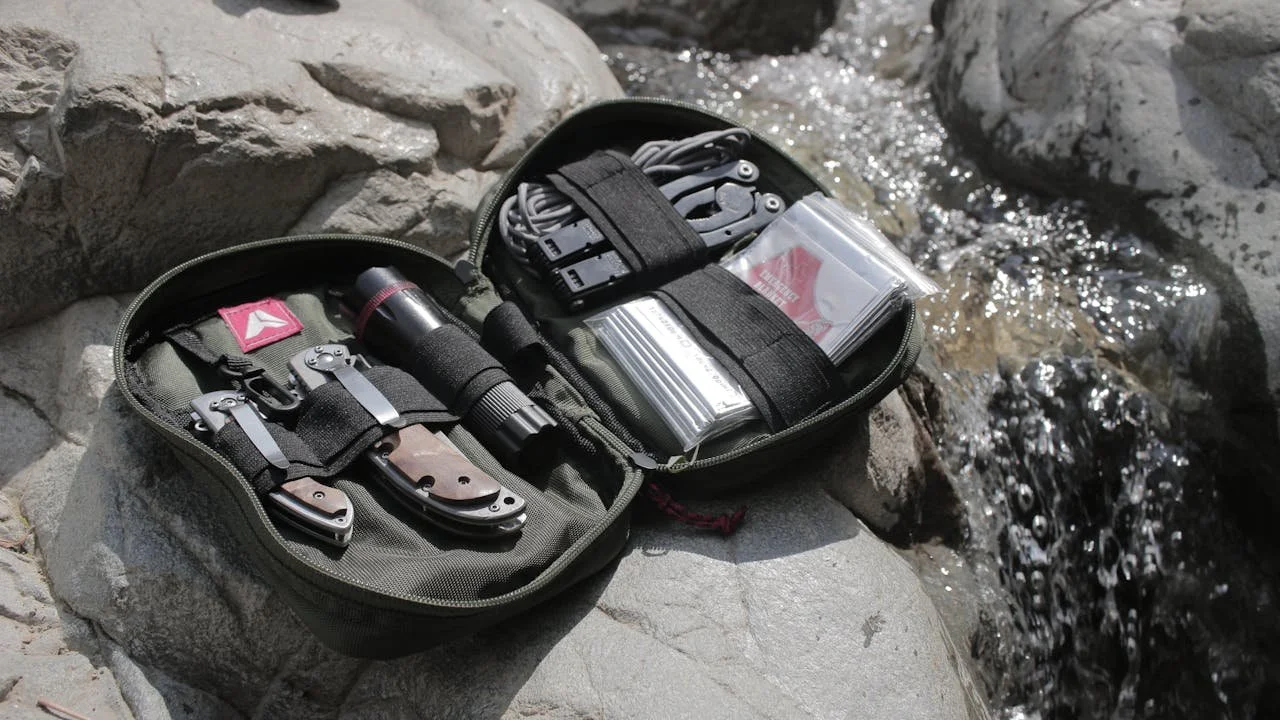
Step 2: Check Your Inventory
A crucial part of self-rescue is taking stock of what you have on hand to help you. In a practical situation, this may involve seeing if you have a way to start fires, carry water, and signal for help with a whistle or mirror. When dealing with a setback in life, this can include looking at your strengths, successes, and lifelines.
Strengths
It’s easy to get stuck in the mental quicksand of focusing on your shortcomings and the ways you think you screwed up. You label yourself a loser, a failure, broken, or a lost-cause. Shifting your focus away from your perceived flaws to take stock of your strengths can help bring attention to the skills you do have that can help in your situation. Are you a good planner? Is humor one of your greatest assets? (Gonzales actually cites humor as a pretty healthy survival response.) Maybe you’re typically just stubborn as hell.
Determining your strengths helps reframe your thinking toward what you can control and influence.
Successes
Many people dismiss their past successes when they’re focused on a current setback. This is partly because some people feel that the current setback somehow makes all of their past successes invalid. Others may reject the idea because they may have had people in the past try to cheer them up by reminding them of their success or telling them to “look on the bright side.”
While this can be well-meaning, it can also come off as dismissive of what they’re presently feeling.
But looking back at past successes doesn’t have to be fluffy, well-intentioned toxic positivity. Not only can your past successes help remind you that one setback doesn’t define you, but it can also be a source of inspiration for what to do in your current situation. Looking at the steps you took that led to your success before can give you ideas for what worked then and may help now. It can also reveal strengths you didn’t realize you had.
Lifelines
Reaching out to others for help can be difficult when experiencing a setback, especially for men who grew up with the message that “real men” are supposed to be able to do everything on their own and “pull themselves up by their bootstraps.” But looking at who you can turn to for support – be it emotional, practical, or financial – can help you feel like you’re not alone in your struggles. Friends, family, professionals, and agencies can offer assistance and guidance to help you help yourself.
These days, online communities also offer a place to connect with people experiencing similar struggles.
Look at it this way — if you were stranded in the woods and had a radio or cell phone with a good signal, would you call for someone for help or would you insist on doing it all by yourself?

Step 3: Plot Your Course
Once you’ve surveyed the terrain and checked your inventory, it’s time to come up with an action plan. This can feel very overwhelming to many folks because they don’t know where to even begin. The problems they’re facing can feel too big to tackle. But a few key pieces can help bring things into perspective.
What can you learn from the situation?
While not all setbacks have a deeper meaning or lesson other than sometimes life is random and bad things happen to good people, there can be things you can learn when you don’t achieve your goals. Look at the situation and ask yourself if there is any useful information you can take from the experience and apply going forward.
Was there something you can do differently next time? Does the situation require a mindset shift like learning that setbacks are not a reflection of your personal worth? Did the setback reveal where your plans need to change?
But make sure you don’t mistakenly wander off course and fall into one of the mental hazards.
Let’s say you fail a college algebra class. If your “lesson” is that everything is terrible, hopeless, and that you’re no good at anything then that’s not really a lesson – you’re suck in that mental quicksand. But the lesson might be that you’ll get set up with a tutor at the start of the class the next time you take it.
What’s your destination?
Sometimes setbacks happen while pursuing a goal but that goal is still attainable. Other setbacks might mean a certain goal is no longer attainable and require a shift in focus. Here’s what that can look like in practice based on a personal experience:
I once got lost in the woods during a hike while traveling after the sun went down in the mountains. Having grown up in Florida where it’s pretty flat, I was used to it getting dark when the sun reached the horizon and didn’t think about the fact that mountains blocked the sun earlier than what I was used to. My original plan was to backtrack to the road where I had gone into the woods, but it soon became obvious I didn’t know where I was and was not going to find the road.
After about 45 seconds of freaking out, I decided the next step was finding a new destination.
The first step before that was simply stopping and looking around for any point of reference.
Seeing the glow from the city where I was staying in the distance, I changed tactics and set that glow as my guiding destination. Though it took several hours of moving through woods, fields, and crossing streams, I eventually found my way to a road and was picked up by a ranger who had been searching for me when my family realized I was overdue to return.
Recognizing your original plan isn’t going to work, recalibrating your destination, and adjusting course in light of what you learn from the setback can help give you a sense of where to go instead of feeling stuck and lost.
And don’t forget to check your values to remind yourself of your own unique true North.
What’s the next step?
Once you have what you’ve learned from the setback and set your new destination, the next step is… well… the next step! When things seem too big to take on, start by scaling down what you think the next step is until you have something that feels approachable and actionable.
Sometimes this involves breaking it down to a step so small that might even seem ridiculous on any other day when you’re not struggling.
In the situation I described above, the next step when I realized I couldn’t find my way back to the road was to find a new destination. Breaking that into an even smaller step, I had to look around to do that. Before I could do that, I had to take a moment to manage the panic that had started to set in.
When you start to think about the next step and scale down to even a ridiculously small level, the big, overwhelming tasks can be broken down into realistically doable steps.
Flexibility is the Key
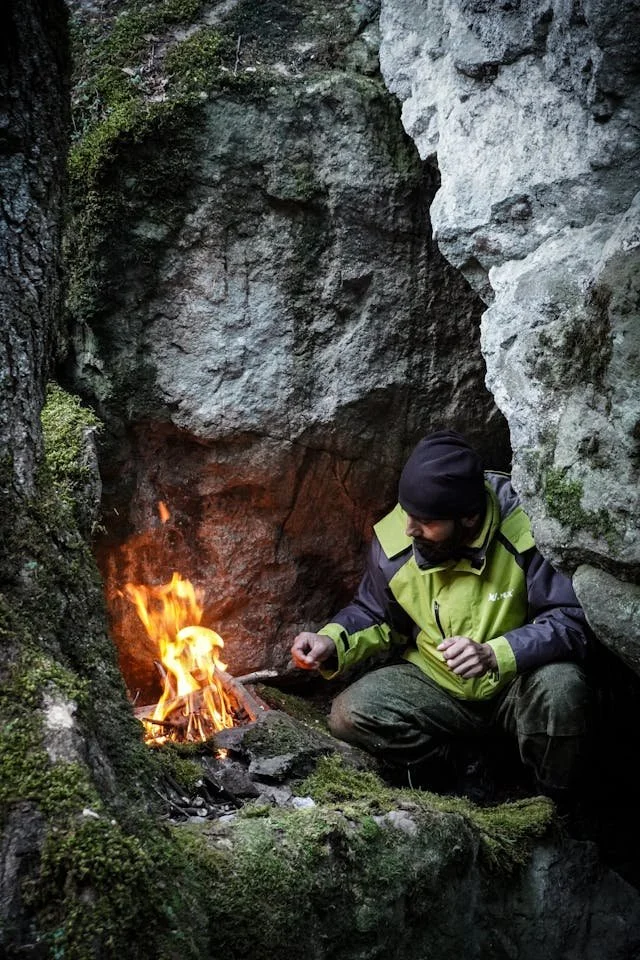
It’s easy to get lost and feel stuck when trying to survive a setback in the same way it’s natural to feel overwhelmed in an actual survival situation. Developing a plan for self-rescue is important, but it’s also important to be flexible enough to change that plan when it becomes clear it’s not working out. Adopting a resilient, adaptable mindset can help avoid some of the common hazards while shifting your focus away from the problems toward a solution-focused outlook that acknowledges both the realities and the possibilities in your situation.
That way, you can adapt as the terrain changes.
You Don’t Have to Struggle Alone
If you’re in Arkansas, you don’t have to struggle by yourself. MoonPath Counseling, LLC can be your lifeline with in-person counseling in Fayetteville, Arkansas and telehealth sessions across the state. Click the button below to start a conversation and get started.
If you’re interested in gaining skills for “self-rescue” with a group of other men looking for growth and support, you can find out more about my Man of ACT-ion groups here.
Disclaimer: This article is for information purposes only and is not a substitute for therapy, medical advice, legal advice, or other professional advice. Always seek the advice of a qualified professional regarding questions about your own mental health, medical care, legal matters, or other personal circumstances. Every individual's circumstances are unique. Information that may be appropriate for one person may not be appropriate for another. Reading this blog does not constitute a professional-client relationship. While every effort is made to provide accurate and current information, no guarantee is made regarding the completeness, accuracy, or timeliness of the information provided. Any reliance on the information provided is solely at the reader's own risk. MoonPath Counseling, LLC and the author disclaim liability for any loss or damage arising from the use of this information.